
Introduction
The rising cost of healthcare has made unexpected medical bills an all too common experience for many individuals and families. These bills can lead to significant financial stress, especially when they come after an emergency or unplanned medical event. Understanding how to negotiate these bills can not only help reduce your financial burden but also empower you to take control of your healthcare expenses.
In this article, we will explore actionable tips and strategies for negotiating medical bills, the components of a medical bill, and how different healthcare models can influence the negotiation process. We will also discuss practical steps to prepare for negotiations and what to do after the negotiation process has concluded.
Understanding Medical Bills
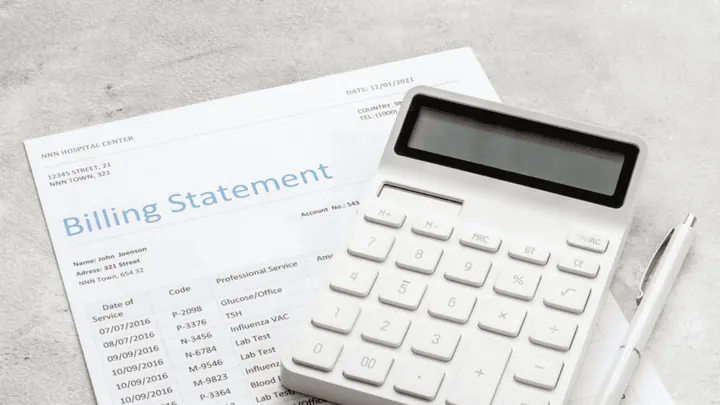
Before diving into negotiation strategies, it is essential to understand the basics of medical billing. Medical bills can often be complex and filled with jargon that can be confusing. Here are the key components of a typical medical bill:
- Patient Information: This section includes your name, contact information, and insurance details.
- Provider Information: The name and contact details of the healthcare provider or facility.
- Date of Service: The specific date when the medical service was provided.
- Service Description: A detailed list of the services rendered, including any procedures or tests conducted.
- Charges: The total amount billed for each service provided.
- Insurance Adjustments: Any discounts or adjustments made by your insurance company.
- Patient Responsibility: The amount you owe after insurance payments and adjustments, which may include deductibles, copays, and coinsurance.
Understanding these components will help you identify any discrepancies or unexpected charges in your bill.
Common Reasons for High Medical Bills
High medical bills can arise from various factors. Here are some common reasons:
- Out-of-Network Providers: Receiving care from a provider not covered by your insurance plan can lead to significantly higher costs.
- Billing Errors: Mistakes such as incorrect coding or duplicate charges can inflate your bill.
- High Deductibles: Many insurance plans have high deductibles, meaning you may have to pay a significant amount before your insurance kicks in.
- Unnecessary Services: Sometimes, additional tests or procedures may be ordered that are not necessary, leading to higher bills.
Identifying these issues is the first step in effectively negotiating your medical bills.
Strategies for Negotiating Medical Bills
Negotiating medical bills can feel daunting, but with the right strategies, you can effectively reduce your costs. Here are some actionable tips:
1. Review Your Bill for Errors
Before initiating any negotiations, thoroughly review your medical bill for errors. Look for:
- Incorrect patient information
- Duplicate charges
- Services that were not provided
- Charges for out-of-network providers that should have been in-network
If you find any discrepancies, gather evidence and be prepared to discuss these errors with the billing department.
2. Contact the Billing Department
Once you have reviewed your bill, reach out to the hospital or provider's billing department. Be polite but assertive while explaining your concerns. Here are some key points to cover:
- Ask for an itemized bill if you do not already have one.
- Inquire about any billing errors you identified.
- Express your financial concerns and ask if there are any options for discounts, payment plans, or financial assistance.
3. Know Your Rights
Familiarize yourself with your rights as a patient. Under the Affordable Care Act (ACA), insurance companies cannot deny coverage for pre-existing conditions, and they must provide clear explanations of benefits. Understanding these rights can empower you in negotiations.
4. Be Prepared to Negotiate
When negotiating, be prepared to discuss your financial situation openly. Here are some tips to keep in mind:
- Provide documentation of your financial status, such as pay stubs or tax returns, if necessary.
- Be clear about what you can afford to pay. Offer a reasonable amount that you can commit to paying.
- Ask for a payment plan if you cannot pay the bill in full.
5. Explore Assistance Programs
Many hospitals and healthcare providers offer financial assistance programs. Inquire about these programs and find out if you qualify for any discounts or assistance based on your income.
The Role of Healthcare Models in Negotiation
Understanding how different healthcare models impact the negotiation process is crucial. Here are some common models:
Traditional Insurance
With traditional insurance, you often have a structured process for handling medical bills. Insurers may negotiate on your behalf, but this may limit your choice of providers. If you receive care from an in-network provider, your costs will typically be lower. However, if you go out-of-network, you may face higher out-of-pocket expenses.
Health Sharing
Health sharing organizations operate differently from traditional insurance. Members share in each other’s medical expenses, and negotiation is often done directly with providers. While this model offers flexibility in negotiations, it comes with the risk that not all expenses will be covered, and members remain responsible for unpaid bills.
Crowdfunding
Crowdfunding for medical expenses allows individuals to raise funds for their medical bills through community support. This model does not involve insurance negotiations, but it can provide financial relief for unexpected medical costs.
Direct Primary Care
In a direct primary care model, patients pay a monthly fee for access to primary care services. Negotiation with specialists or hospitals may still be necessary for other types of care, but this model often provides more predictable costs for routine care.
Preparing for Negotiations
Preparation is key to successful negotiations. Here are practical steps to take before entering negotiations:
1. Gather Documentation
Before contacting the billing department, gather all relevant documentation:
- Your medical bill and any itemized statements
- Insurance policy documents
- Records of previous communications with the provider or insurer
2. Prepare Questions to Ask
Having a list of questions can help guide your conversation. Consider asking:
- Can you explain the charges on my bill?
- What discounts or financial assistance programs are available?
- Can I set up a payment plan?
3. Determine Your Budget
Understand your financial situation before negotiating. Know how much you can afford to pay and be prepared to discuss this with the billing department.
After Negotiation: Next Steps
Once negotiations are complete, it is essential to follow up and ensure that any agreements made are documented. Here are the next steps to take:
1. Get Everything in Writing
Ensure that any agreements regarding payment plans or discounts are provided in writing. This documentation will protect you in case of any future discrepancies.
2. Set Up Payment Plans
If you have arranged a payment plan, set up reminders to ensure you make payments on time. Missing payments can lead to additional fees or collection actions.
3. Monitor Your Credit
Keep an eye on your credit report to ensure that the medical debt does not negatively impact your credit score. If you encounter issues, consider contacting the billing department to resolve them.
How Choices Ahead Helps
Understanding how to negotiate medical bills is crucial for making informed healthcare decisions. Choices Ahead provides resources that help you compare different healthcare models and understand their impact on costs. Here’s how we can assist you:
- Compare Options: Use our comparison tools to evaluate traditional insurance, health sharing, crowdfunding, and direct primary care models.
- Understand Tradeoffs: We provide insights into the benefits and limitations of each healthcare model, helping you make informed choices.
- Ask Better Questions: Our resources equip you with the necessary questions to ask providers and insurers during negotiations.
Explore Choices Ahead's comparison tools to find the best healthcare model for your needs and budget by visiting this link.
Conclusion
Negotiating medical bills can be a daunting process, but understanding your options and being prepared can make a significant difference. By reviewing your bills, knowing your rights, and employing effective negotiation strategies, you can reduce your healthcare costs and alleviate financial stress. Remember to leverage the resources available through Choices Ahead to help you navigate your healthcare decisions more effectively.
Practical Checklist for Negotiating Medical Bills
To help you stay organized and ensure you cover all necessary steps in the negotiation process, here is a practical checklist:
- Review your medical bill for errors and discrepancies.
- Gather all relevant documentation, including itemized bills and insurance policy information.
- Prepare a list of questions to ask the billing department.
- Know your financial situation and what you can afford to pay.
- Contact the billing department and be assertive but polite.
- Inquire about financial assistance programs or discounts.
- Get all agreements in writing.
- Set reminders for payment plans to avoid missing payments.
- Monitor your credit report for any impacts from medical debt.
By following this checklist, you can navigate the negotiation process with confidence, ensuring that you are taking the right steps to manage your medical bills effectively.
Discover how to compare healthcare options with Choices Ahead.
Review the next step and explore the information that may help you move forward.