Introduction
Medical bills can be a source of significant stress for many individuals. With the complexities of healthcare costs and the potential for unexpected charges, understanding how to negotiate medical bills can be an invaluable skill. Negotiating medical bills is not just about reducing costs; it's about advocating for your financial well-being and ensuring that you are not overcharged for services rendered.
In this guide, we will explore the fundamentals of medical billing, how to identify errors, practical strategies for negotiation, and the impact of different healthcare models on your ability to negotiate. By the end of this article, you will have a clearer understanding of how to approach your medical bills and the resources available to help you navigate this process.
Understanding Medical Bills
Before diving into negotiation strategies, it's essential to understand what medical bills entail. Medical bills can be complex documents filled with jargon that can confuse even the most diligent patients. Here are some common terms you'll encounter:
- Deductible: The amount you pay out of pocket for healthcare before your insurance begins to pay. For example, if your deductible is $1,000, you must pay that amount before your insurance covers any expenses.
- Copay: A fixed amount you pay for a covered service, usually at the time of service. For instance, you might pay a $30 copay for a doctor’s visit.
- Coinsurance: The percentage of costs you pay for a covered service after you've paid your deductible. If your coinsurance is 20%, and your bill is $1,000 after your deductible, you would pay $200.
- In-network vs. out-of-network: Refers to whether a provider has a contract with your insurance company, affecting costs. In-network providers typically cost less than out-of-network ones.
Understanding these terms will empower you to analyze your medical bills effectively. For instance, if you have a high deductible plan, you may find yourself negotiating more often to lower your out-of-pocket expenses.
Identifying Errors in Medical Bills
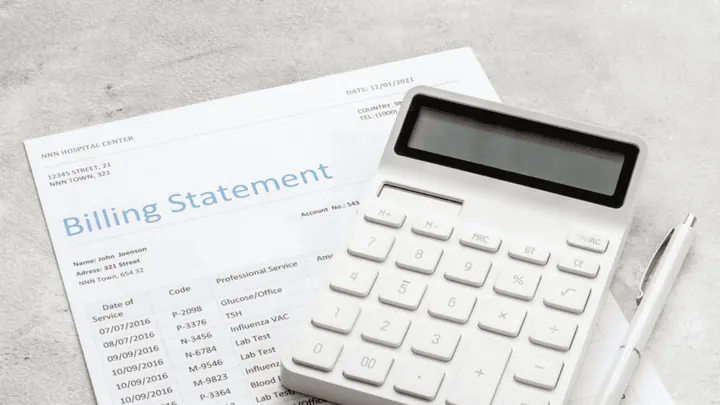
One of the first steps in negotiating your medical bills is to review them for errors. Medical billing errors are surprisingly common and can lead to inflated charges. Here are some tips for identifying inaccuracies:
- Check for Duplicate Charges: Ensure that you are not billed for the same service multiple times. For example, if you see a charge for an X-ray on two separate lines, this is a potential error.
- Verify Service Dates: Make sure the dates of service align with your records and that you received the services billed. If you were billed for a service on a date you did not visit the provider, inquire about it.
- Review CPT Codes: Each service has a specific code that should match the services you received. If there’s a discrepancy, ask for clarification. For example, if you received a routine check-up but were billed for a more expensive procedure, this needs to be addressed.
- Compare to Your Insurance Plan: Ensure that the services are covered under your plan and that the billing reflects in-network rates if applicable. If your plan covers a procedure but the bill shows an out-of-network charge, you have grounds for negotiation.
If you find any errors, gather evidence to support your claims, such as appointment records, insurance policy documents, and any correspondence with your provider or insurer. This documentation can be crucial during negotiations.
Strategies for Negotiating Medical Bills
Once you have reviewed your medical bills and identified any errors, you can begin the negotiation process. Here are actionable strategies to help you negotiate effectively:
- Contact the Provider Directly: Start by calling the provider’s billing department. Be polite but assertive in your request for clarification on charges. Prepare your questions beforehand to ensure you cover all necessary points.
- Ask for a Discount: Many providers may offer discounts for patients who pay in cash upfront or for those experiencing financial hardship. Do not hesitate to ask. For example, you might say, “I can pay this bill in full today; can you offer a discount?”
- Propose a Payment Plan: If you cannot pay the bill in full, propose a payment plan that fits your budget. Many providers are willing to work with patients on manageable payment terms. For instance, you can suggest paying a certain amount each month until the balance is settled.
- Use Evidence to Support Your Case: If you have evidence of errors or discrepancies, present this information during your negotiation. This can strengthen your position. For example, if your insurance should have covered a service, show the relevant policy section to the billing department.
- Be Persistent: If the initial response is not favorable, don’t give up. Follow up with the provider regularly and escalate to a supervisor if necessary. Sometimes, speaking to a different representative can yield better results.
For example, if you receive a bill for a procedure that was supposed to be covered by insurance but is charged at the out-of-network rate, you can successfully negotiate the bill down by providing evidence of the in-network agreement.
The Impact of Healthcare Models on Negotiation
Your ability to negotiate medical bills can be significantly influenced by the healthcare model you are using. Here’s how different models impact your negotiation power:
Traditional Insurance
With traditional insurance, your negotiation ability may be somewhat limited. Insurance companies typically negotiate rates with providers, which means that your out-of-pocket costs are predetermined based on your plan. However, you can still negotiate directly with your provider for any costs that exceed your deductible or copay. If a bill exceeds what you expected based on your insurance plan, reach out to both your insurer and the provider to clarify the discrepancies.
Health Sharing
Health sharing organizations do not guarantee payment for medical expenses. Members often negotiate directly with providers to lower costs, especially if they can pay cash upfront. For instance, an individual using a health-sharing model may negotiate with a provider to reduce costs for a procedure by offering to pay cash upfront. This can lead to significant savings, as providers may be willing to lower costs for immediate payment.
Crowdfunding
Crowdfunding memberships require members to remain responsible for their medical bills. Members can use crowdfunding platforms to solicit funds for medical expenses but must negotiate with providers regarding costs beforehand. For example, if you are raising funds for a surgery, you might negotiate with the hospital to lower the bill before soliciting donations.
Direct Primary Care
In a direct primary care model, patients pay a monthly fee directly to their primary care provider for a defined set of services. This model often allows for more flexibility in negotiating costs for additional services or specialist referrals, as patients have a direct relationship with their provider. For instance, if you need a specialist consultation, you may be able to negotiate a lower rate directly with the specialist due to your established relationship with your primary care provider.
The Role of Patient Advocacy
Patient advocacy can play a crucial role in the negotiation process. There are several resources available to help you navigate medical bills and negotiate effectively:
- Patient Advocacy Organizations: Many non-profit organizations offer resources and support for patients facing challenges with medical billing. They can provide guidance on how to approach negotiations and may even offer direct assistance.
- Health Advocates: Hiring a health advocate can be beneficial. These professionals can negotiate on your behalf and help you understand your medical bills. They often have experience dealing with providers and can help you secure better outcomes.
- Online Resources: Websites and forums dedicated to healthcare discussions can provide insights and tips from others who have successfully negotiated their bills. Engaging with a community can help you learn from others’ experiences.
For example, if you are overwhelmed by the negotiation process, consider reaching out to a patient advocate who can assist you in communicating with your provider and insurer.
Common Mistakes to Avoid When Negotiating Medical Bills
When negotiating medical bills, it's easy to make mistakes that can hinder your success. Here are some common pitfalls to watch out for:
- Not Reviewing the Bill Thoroughly: Failing to check for errors or discrepancies can cost you money. Always review your bill line by line before initiating negotiations.
- Being Unprepared: Going into negotiations without a clear understanding of your bill and your rights can weaken your position. Prepare by gathering documentation and knowing what you want to achieve.
- Accepting the First Offer: Providers may start with a high figure. Don’t accept the first offer; negotiate for a better deal. Remember that negotiation is expected in these situations.
- Not Asking Questions: If something is unclear, don’t hesitate to ask for clarification. Providers expect questions and should be willing to explain charges.
- Underestimating the Power of Persistence: Negotiation can take time. If you don’t get the result you want immediately, be persistent and follow up regularly.
Verification Guidance
Before finalizing any agreement or payment plan, verify the following:
- Insurance Coverage: Confirm that the services billed are covered under your insurance plan. Contact your insurer if needed.
- Provider Credentials: Ensure that the provider is licensed and in good standing. This can impact your negotiation power.
- Payment Options: Understand all payment options available, including any discounts for cash payments or payment plans.
- Written Agreements: Always get any agreements in writing to avoid misunderstandings later.
Practical Checklist for Negotiating Medical Bills
Use this checklist to guide you through the negotiation process:
- Review your medical bill thoroughly for errors.
- Gather all relevant documents, including insurance policies and appointment records.
- Prepare a list of questions and points to discuss during your negotiation.
- Contact the provider’s billing department and be polite yet assertive.
- Ask for discounts or payment plans if necessary.
- Present any evidence you have to support your claims.
- Be persistent and follow up if necessary.
- Verify any agreements made and get them in writing.
Conclusion
Negotiating medical bills is a skill that can save you a significant amount of money and reduce financial stress. By understanding the basics of medical billing, identifying errors, and employing effective negotiation strategies, you can advocate for yourself and ensure that you are not overcharged for medical services.
Remember that persistence is key. Don’t hesitate to follow up and ask for clarification on charges. With the right approach, you can successfully negotiate your medical bills and gain greater control over your healthcare expenses.
How Choices Ahead Helps
At Choices Ahead, we understand that navigating the complexities of healthcare can be daunting. Our goal is to provide clear explanations of various healthcare models, helping you understand how these models can influence your ability to negotiate medical bills and manage costs. We offer tools to compare options, check fit, browse providers, and ask better questions.
Whether you are exploring traditional insurance, health sharing, crowdfunding, or direct primary care, we are here to support your decision-making process. To start comparing your healthcare options, visit our comparison page.
By reviewing your current healthcare options and considering how each model may affect your medical bill negotiation strategies, you can make informed decisions that align with your financial goals and healthcare needs.
Explore Your Healthcare Options
Review the next step and explore the information that may help you move forward.